

Blog · Relocation
Moving from Dallas to Southern California: What to Know
A straight-numbers look at the move from Dallas to Southern California and the Inland Empire: what the same money buys, how the taxes and the weather change, and how to make a cross-country move go smoothly.
2026-10-05 · 9 min read
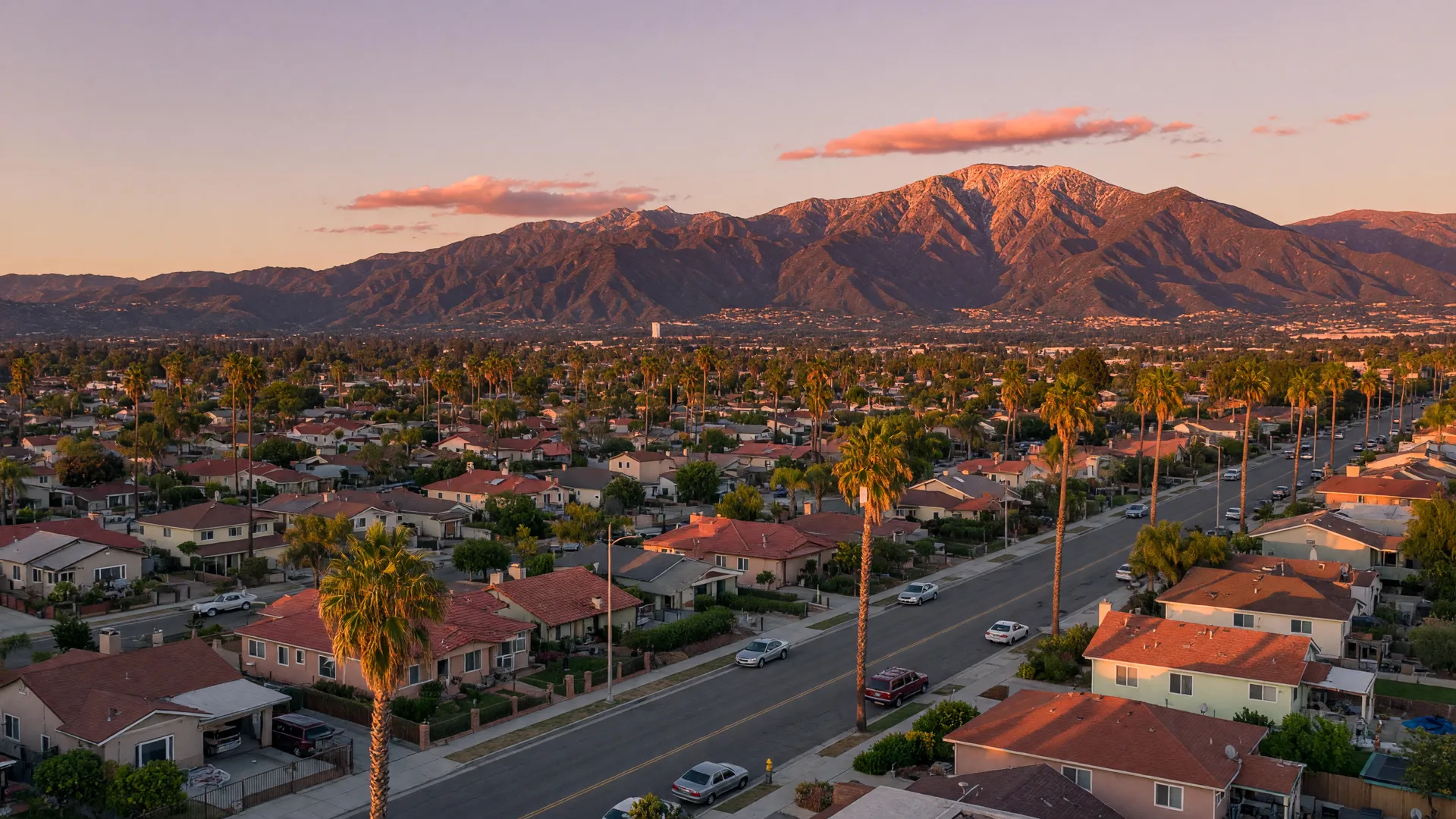
Dallas and Southern California are both warm, sunny, and full of transplants, but the numbers behind them could not be more different. I sell Dallas homes in 14 days or less, and I have walked clients through moves like this on both ends, so here is the straight read on the cost of living, the taxes, the weather, and the real estate markets, no hype attached.
Cost of living: Dallas is cheaper, and housing is the whole story
The overall cost of living is not close. Most comparisons put Dallas meaningfully cheaper than coastal Southern California, and nearly all of that gap is housing. Groceries, gas, utilities, and everyday services run closer to parity, with California still a bit higher. The number that changes your life is the price of a home, and that is where the gap becomes a canyon.
The honest way to think about it is by region, not by state. Coastal Los Angeles and Orange County run the highest price points in the country, with median prices well above the national average. The Inland Empire, the San Bernardino and Riverside county region anchored by Rancho Cucamonga, Ontario, Upland, and Corona, is California's value play: median prices run meaningfully below the coastal counties while still sitting well above Dallas. In plain terms, the same home budget that buys a solid Dallas house buys a starter home in the Inland Empire and a condo or fixer closer to the coast. Plan the budget around the specific town, not the region.
The tax math: no state income tax vs California's progressive income tax
Texas has no state income tax, and that is real money every paycheck. California replaces it with a progressive income tax that runs from 1 percent up to 13.3 percent on income over $1 million, and the top effective rate edges higher with the mental-health-services surcharge. Most middle-class households land in the 6 to 9.3 percent brackets. That is a recurring slice of gross income that simply did not exist in Dallas, and it is the number transplants underestimate most.
The offset is property tax, and this is where the two states trade places. Texas has one of the highest effective property tax rates in the country, around 1.4 percent of home value on average. California's is lower, around 0.74 percent on average, because Proposition 13 caps the general rate at 1 percent of assessed value and limits annual increases to 2 percent. But California homes cost more, so the dollar amount on the bill can still be higher. Run the full monthly number, income tax and property tax together, before you set a budget.
Property taxes, HOA fees, and Mello-Roos: the stack to check before you offer
California property tax works differently than Texas, and the Inland Empire adds layers on top. Under Proposition 13, your assessed value starts at your purchase price and can only rise 2 percent a year, so your bill starts at about 1 percent of what you pay, plus voter-approved bond measures. That is predictable, but it is not the whole picture.
First, HOA fees. Many newer Inland Empire subdivisions, especially the master-planned communities in Rancho Cucamonga, Ontario, and Corona, carry HOA dues that run a few hundred dollars a month. Second, Mello-Roos. Newer master-planned communities sit inside Community Facilities Districts that levy a special parcel tax to repay bonds for roads, sewers, parks, and schools. Mello-Roos is added on top of the Prop 13 base tax, is based on the parcel rather than the assessed value, is not capped by Prop 13, and typically runs a few thousand dollars a year for 20 to 40 years. Ask your agent for the Mello-Roos field on the listing and search the county's special-assessments records before you make an offer. A home price plus HOA plus Mello-Roos is a very different monthly carrying cost than the sticker price suggests.
Climate: Mediterranean vs humid subtropical
Dallas summers are brutal: July highs average near 95 degrees, with muggy nights and a heat index that runs higher. Southern California is a Mediterranean, dry-summer climate. The Inland Empire runs warmer than the coast, with summer highs that can reach the 90s, but the air is dry and the evenings cool off, and winters are mild with essentially no snow. Rain is concentrated in the winter, far less than Dallas's roughly 39 inches a year.
The trade is real. You trade Dallas's furnace summers and occasional ice storms for a dry, mild, year-round climate, and you pay for it in the home price. If you are moving for the weather and the mountains, the Inland Empire delivers the sunshine without the coastal premium, and it still costs less than the beach towns.
The real estate market: newer subdivisions and the mountain backdrop
The market rhythm is competitive in both places, but the product is different. Dallas leans newer, larger, car-oriented construction on generous lots. The Inland Empire leans toward newer master-planned subdivisions set against the San Gabriel and San Bernardino Mountains, with a mix of established neighborhoods like Rancho Cucamonga's Alta Loma and fast-growing towns like Corona and Beaumont. Lots are generally smaller than in Dallas, and the value is in the location and the mountain views rather than the yard.
The Inland Empire is also a commuter region. Many residents work in Los Angeles or Orange County and live east of the mountains for the price and the space, trading a longer drive for a bigger home. If you work remotely or locally, the Inland Empire is a genuine value; if you need to commute to the coast daily, budget for the freeway reality before you buy.
Commute and lifestyle: the 210 and 15 corridors, not the DFW freeways
Dallas is a car city built around wide, fast freeways. Southern California is a different commute. Interstate 15 is the main north-south spine through the Inland Empire, and the 210 freeway runs along the base of the mountains through Rancho Cucamonga, Upland, and Ontario. Commutes into Los Angeles or Orange County can run an hour or more in peak traffic, and the mountain passes are the known choke points.
The good news is that a lot of Inland Empire employment is local. Ontario has a major airport and a large business district, and Rancho Cucamonga, Upland, and Corona support a wide range of employers. Traffic is heavier and less predictable than typical DFW freeways, so pick the town that fits how you actually get to work, not just the one with the prettiest photos.
Home insurance and wildfire awareness
California home insurance averages around $1,500 a year, but that number hides a lot of variation. Carriers have raised rates and issued nonrenewals in fire-prone zones, and parts of the Inland Empire near the mountain foothills carry higher wildfire risk ratings. Before you fall in love with a property, get a real insurance quote for that exact address, and check the Safer from Wildfires mitigation requirements for defensible space and fire-resistant roofing in higher-risk areas. The California FAIR Plan is the backstop for high-risk properties, but you want to know the premium before you commit, not after.
Tips for a smooth cross-country move
A Dallas-to-Southern California move is a two-day drive or a short flight, but the distance is real and the details need order. Here is the sequence that works:
- Get a licensed, insured mover and book early. Cross-country moves fill up, and last-minute quotes run higher.
- Run the full tax numbers before you commit: the California income tax plus property tax, HOA, and any Mello-Roos change your monthly budget in a way Texas did not.
- Use a local Southern California agent for the buy side. Out-of-town buyers need someone who knows the Mello-Roos districts, the HOA reality, the commute, and the fire-risk zones, not a portal search.
- Coordinate closing dates on both ends so you are not paying two mortgages or landing in temporary housing. A gap of even a few weeks costs real money.
- Get a home insurance quote for the exact address early, and budget for HOA dues and any Mello-Roos on top of property tax before you set your price range.
- Visit in the season you will actually live there. The summer heat in the Inland Empire and the commute reality are part of the deal, and you should see them before you buy.
The bottom line
Southern California is sunny, dramatic, and genuinely beautiful, and it costs meaningfully more than Dallas on housing and income tax, with the HOA and Mello-Roos stack on top. Dallas is cheaper, hotter, and more car-dependent. Neither is better, they are just different, and the right choice is the one that fits your budget and your daily life. If you are selling in Dallas first, get the numbers on your home before you plan the move, because the equity you walk away with sets the whole Southern California budget.
Meet your trusted agent in Southern California
Meet Julian Cesar in the Inland Empire
Julian Cesar runs Search SoCal Real Estate with Mainstreet Realtors and serves the Inland Empire across San Bernardino and Riverside counties, plus Orange and Los Angeles counties. Enter your info to view his profile on this site and connect with him directly.
Selling your Dallas home before the move?
Book a free 30-minute call and get a written plan with the numbers laid out, so you know exactly what you are working with before you buy in Southern California.
Book your free 30-minute call